The Complete Timeline Overview
If you're planning to launch cosmetic products in the European Union, you're looking at a minimum timeline of 12 to 16 weeks from formulation completion to market launch. This timeline for cosmetic testing to EU market launch includes stability testing (4-8 weeks), microbiological testing (2-4 weeks), CPSR preparation (1-2 weeks), and CPNP notification (1-3 days for portal submission). The actual duration depends on your product complexity, testing requirements, and whether you can run processes in parallel.
Executive Summary:
- Stability testing typically requires 4-8 weeks under accelerated conditions, though real-time studies run 12-36 months
- The Cosmetic Product Safety Report (CPSR) takes 1-2 weeks once all testing data is compiled
- CPNP notification can be completed in 1-3 days, but requires all documentation ready beforehand
- Smart planning allows you to run testing and compliance work simultaneously, reducing total time to 10-12 weeks
The European cosmetic market operates under EC Regulation 1223/2009, which mandates that every cosmetic product placed on the EU market must undergo safety testing, have a complete Product Information File (PIF), and be notified via the Cosmetic Products Notification Portal (CPNP) before the first unit ships. Non-EU manufacturers must appoint a Responsible Person (RP) based in the EU to act as the legal entity for compliance.
Pre-Market Requirements: What You Need Before Testing
Before you can begin the testing phase, you need several foundational elements in place. The EU cosmetic regulation requires a complete formula disclosure, including all ingredients with their INCI names, concentrations, and raw material specifications. This isn't optional—your testing labs and safety assessors cannot proceed without accurate formulation data.
Required Documentation Before Testing Starts
Your formula must be finalized and locked. Changes to ingredients or concentrations after testing begins means restarting the entire process. You'll need technical data sheets for every raw material, including supplier information, purity specifications, and any relevant safety data sheets (SDS). For ingredients listed in Annexes III, IV, V, or VI of the EU Cosmetics Regulation—such as preservatives, colorants, and UV filters—you must provide evidence of compliance with maximum allowed concentrations.
Manufacturing process documentation is equally critical. The EU requires proof of Good Manufacturing Practice (GMP) compliance, typically demonstrated through ISO 22716 certification. Your manufacturing facility—whether in-house or contracted—must have documented procedures for hygiene, quality control, and batch tracking.
Packaging specifications matter for testing. Your final container materials must be confirmed because stability testing evaluates product-package compatibility. Switching from glass to plastic containers post-testing invalidates your stability data and requires retesting.
The Testing Phase: Duration and Requirements
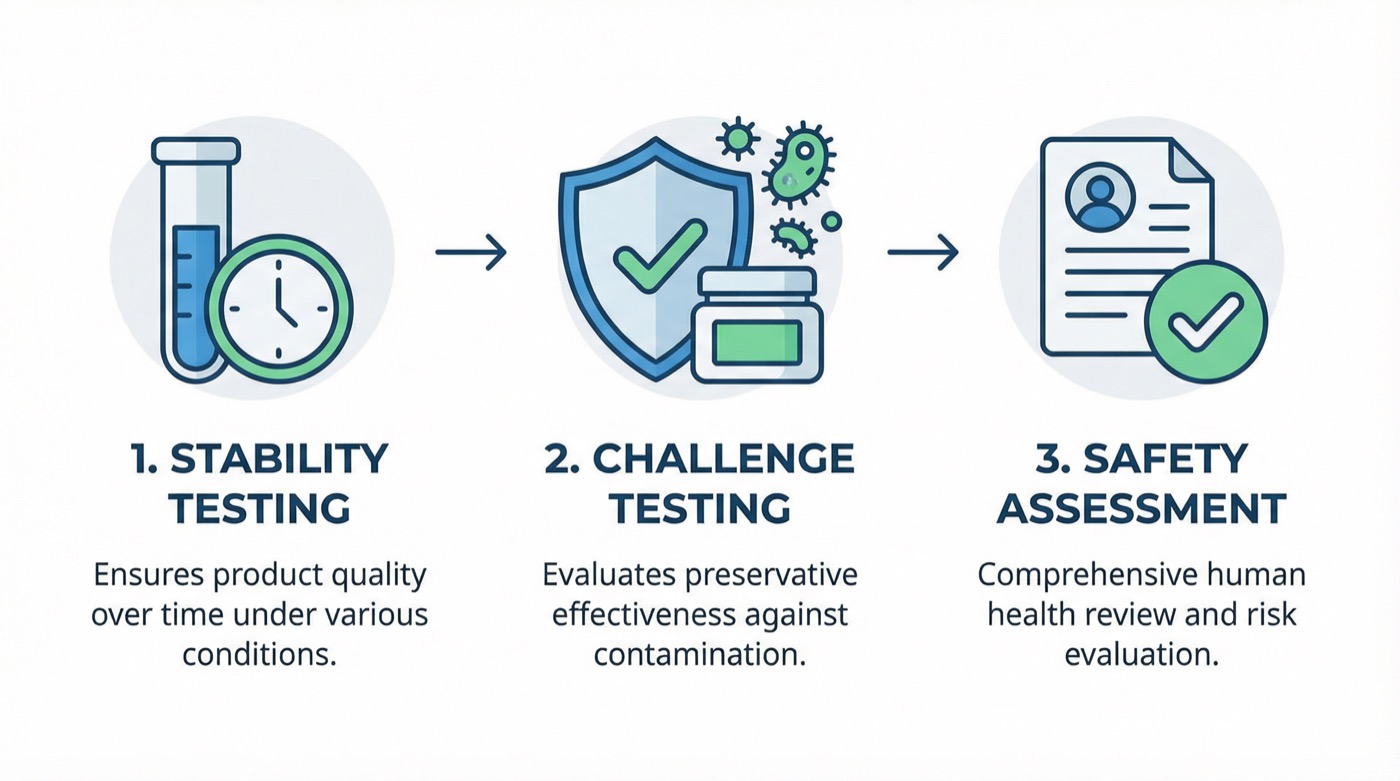
The testing phase represents the longest segment of your timeline to EU market entry. Under EU cosmetics regulation, every cosmetic product must undergo stability testing and challenge testing (preservative efficacy) at minimum. Depending on your product claims and category, additional tests may be mandatory.
Stability Testing Timeline
Stability testing evaluates whether your cosmetic product maintains its physical, chemical, and microbiological quality standards throughout its intended shelf life. The EU accepts accelerated stability studies conducted at elevated temperatures (40°C/75% RH) for 4-8 weeks as preliminary evidence, though real-time studies at actual storage conditions run 12-36 months.
For market launch, accelerated testing suffices if your product is straightforward—a simple emulsion or anhydrous formula. Complex products containing active ingredients, multiple phases, or novel delivery systems require extended studies. Here's what stability testing evaluates:
- Physical stability: No phase separation, color changes, or texture degradation
- Chemical stability: Active ingredients maintain declared concentrations within ±10%
- Microbiological stability: No microbial growth under normal use conditions
- Packaging compatibility: No leaching, migration, or material degradation
| Test Type | Duration | When Required |
|---|---|---|
| Accelerated Stability | 4-8 weeks | All products (minimum) |
| Real-Time Stability | 12-36 months | Ongoing post-launch verification |
| Challenge Test (PET) | 28 days | All products with water phase |
| Microbiological Testing | 5-7 days | All products (batch release) |
| Safety Substantiation | 2-6 weeks | Products with specific claims |
Microbiological Testing Requirements
Microbiological testing verifies that your cosmetic product is free from pathogenic microorganisms and that your preservation system prevents contamination during consumer use. The challenge test, conducted according to ISO 11930 standards, takes 28 days and cannot be shortened.
This test involves inoculating your product with specific microorganisms (bacteria and fungi) and monitoring whether your preservative system effectively eliminates them. The pass criteria are strict: bacteria must show a 3-log reduction within 48 hours, and fungi must not increase in count over 28 days. Products that fail require reformulation and retesting—adding 8-12 weeks to your timeline.
CPSR Preparation: Safety Assessment Timeline
The Cosmetic Product Safety Report (CPSR) is the cornerstone document of EU cosmetic compliance. This assessment, prepared by a qualified safety assessor with expertise in toxicology or dermatology, evaluates whether your cosmetic product is safe for consumer use under normal and reasonably foreseeable conditions. The CPSR takes 1-2 weeks to prepare once all supporting data is compiled.
What Goes Into a CPSR
Your CPSR comprises two parts: Part A (Product Safety Information) and Part B (Safety Assessment). Part A is a data compilation—your formula, manufacturing process, intended use, exposure calculation, and test results. This section is factual and doesn't require scientific judgment. Part B is where your safety assessor evaluates the data and concludes whether the product is safe.
The safety assessor must have a pharmacy degree, medical degree, or equivalent qualification in toxicology, chemistry, or a related field. According to EU requirements, this person must be established within the European Union or have documented scientific credentials recognized by EU member states. You cannot prepare your own CPSR unless you hold these qualifications and are independent from the manufacturing process.
"The CPSR isn't a box-checking exercise. It's a scientific evaluation that requires toxicological expertise and access to ingredient safety databases. Rushed assessments miss critical interactions between ingredients and underestimate exposure levels—both of which can result in product recalls."
Timeline for CPSR Completion
Data collection typically takes 1-3 weeks if you're organized. You need stability data, challenge test results, raw material specifications, toxicological data for each ingredient, exposure calculations based on product use, and any relevant scientific literature. Incomplete data files are the primary cause of CPSR delays.
The actual assessment and report writing takes 1-2 weeks for straightforward products. Complex formulations—those with novel ingredients, high concentrations of actives, or intended for sensitive populations (infants, pregnant women)—require 3-4 weeks. If your safety assessor identifies concerns during review, you'll need to provide additional data or reformulate, adding weeks to your timeline.
For more detailed guidance on CPSR requirements and what your safety assessor evaluates, see our complete CPSR preparation guide.
Appointing Your EU Responsible Person
If you're a non-EU manufacturer, appointing a Responsible Person (RP) is mandatory before you can place cosmetic products on the European market. The RP is a natural or legal person established within the EU who takes legal responsibility for ensuring your product complies with EU cosmetic regulations. This appointment should happen early—ideally before testing begins.
What the Responsible Person Does
Your RP ensures your Product Information File (PIF) is complete and maintained for 10 years after the last batch of product is placed on the market. They verify that the CPSR was prepared by a qualified safety assessor, ensure GMP compliance at manufacturing sites, investigate and report serious undesirable effects, and act as the contact point for national authorities during market surveillance.

The RP's name and address must appear on your product label. This is non-negotiable. If regulators or consumers need to contact someone about your product, the RP is that contact point. Choose your RP carefully—they're not just a postal address service. Professional RP service providers offer regulatory expertise, PIF management software, and ongoing compliance monitoring.
Timeline for RP Appointment
Appointing an RP can be completed in 1-2 weeks if you work with established providers. The process involves contract negotiation, fee agreement, and transfer of product documentation. Expect to pay annual fees ranging from €500 to €2,000 per product, depending on service scope and provider.
Many RP providers also offer CPSR services, stability testing coordination, and CPNP notification management. Bundling these services with a single provider streamlines communication and often reduces costs by 15-25% compared to working with separate vendors.
CPNP Notification: The Final Regulatory Step
The Cosmetic Products Notification Portal (CPNP) is the EU's centralized database where every cosmetic product must be registered before it's placed on the market. CPNP notification is the final step in your compliance timeline—but it's also where most first-time brands encounter frustrating delays due to incomplete data or portal navigation errors.
What You Need for CPNP Notification
CPNP requires specific data fields: product category (function), product name(s) in all EU languages where you'll sell, RP name and address, country of origin, EU member states where the product will be marketed, contact information for the PIF location, formulation details including ingredient concentrations, product label images, and the frame formulation.
The frame formulation deserves explanation. Instead of submitting your exact formula (which would expose trade secrets), you submit ingredient ranges grouped into categories. Surfactants might be listed as 10-25%, emollients as 5-15%, and so forth. This protects your intellectual property while giving authorities enough information to assess risk during market surveillance.
Timeline for CPNP Notification
The actual portal submission takes 1-3 days if your data is organized. First-time users should budget 2-3 hours for portal familiarization and data entry per product. The system is functional but not intuitive—expect to reference the user manual multiple times. Notification errors are common, especially with ingredient nomenclature and category selection.
Once submitted, your notification is immediately active. There's no approval process or waiting period. You receive a notification number instantly, which should be documented in your PIF. This number remains valid for the life of the product, even if you update formulations (minor changes) or expand to additional EU markets.
For detailed step-by-step CPNP submission guidance, see our CPNP registration tutorial.
How to Reduce Your Time to Market
The 12-16 week baseline timeline assumes sequential processing—finishing one step before starting the next. Smart regulatory planning allows parallel processing of independent activities, reducing your total time to market to 10-12 weeks without cutting corners.
What Can Run Simultaneously
Stability testing and challenge testing are independent. Start both on the same day once your formula is locked. While testing runs, appoint your Responsible Person and begin PIF compilation. Your RP can start reviewing manufacturing documentation and preparing label artwork while test results are pending.
CPSR preparation can begin once you have preliminary test data. Most safety assessors will start Part A (data compilation) before final test reports arrive, then complete Part B once results are available. This saves 1-2 weeks compared to waiting for all tests to finish.

CPNP notification preparation—gathering data, translating product names, creating frame formulations—should happen while your CPSR is being finalized. Don't wait until the CPSR is complete to start CPNP work. The portal submission itself is fast, but data preparation takes time.
What Cannot Be Rushed
Challenge testing takes 28 days. Period. No laboratory offers accelerated challenge testing that meets ISO 11930 standards. Claims of "fast-track" challenge tests are either non-compliant or use predictive models that EU authorities don't recognize for initial market approval.
CPSR preparation requires scientific judgment. Pressure to deliver faster doesn't change the time needed for thorough toxicological evaluation. Safety assessors who rush miss critical issues—ingredient interactions, exposure calculation errors, or missing safety data—that result in non-compliant products and potential recalls.
"Parallel processing is about efficiency, not shortcuts. You can do multiple things at once, but you can't skip steps or compress timelines that are defined by scientific methodology or regulatory requirements. The goal is eliminating dead time, not compromising safety."
Timeline Variations by Product Category
Not all cosmetic products face identical testing timelines. Product complexity, intended use, and ingredient profiles significantly impact how long testing and assessment take. Understanding these variations helps you plan realistic launch schedules.
Simple vs. Complex Products
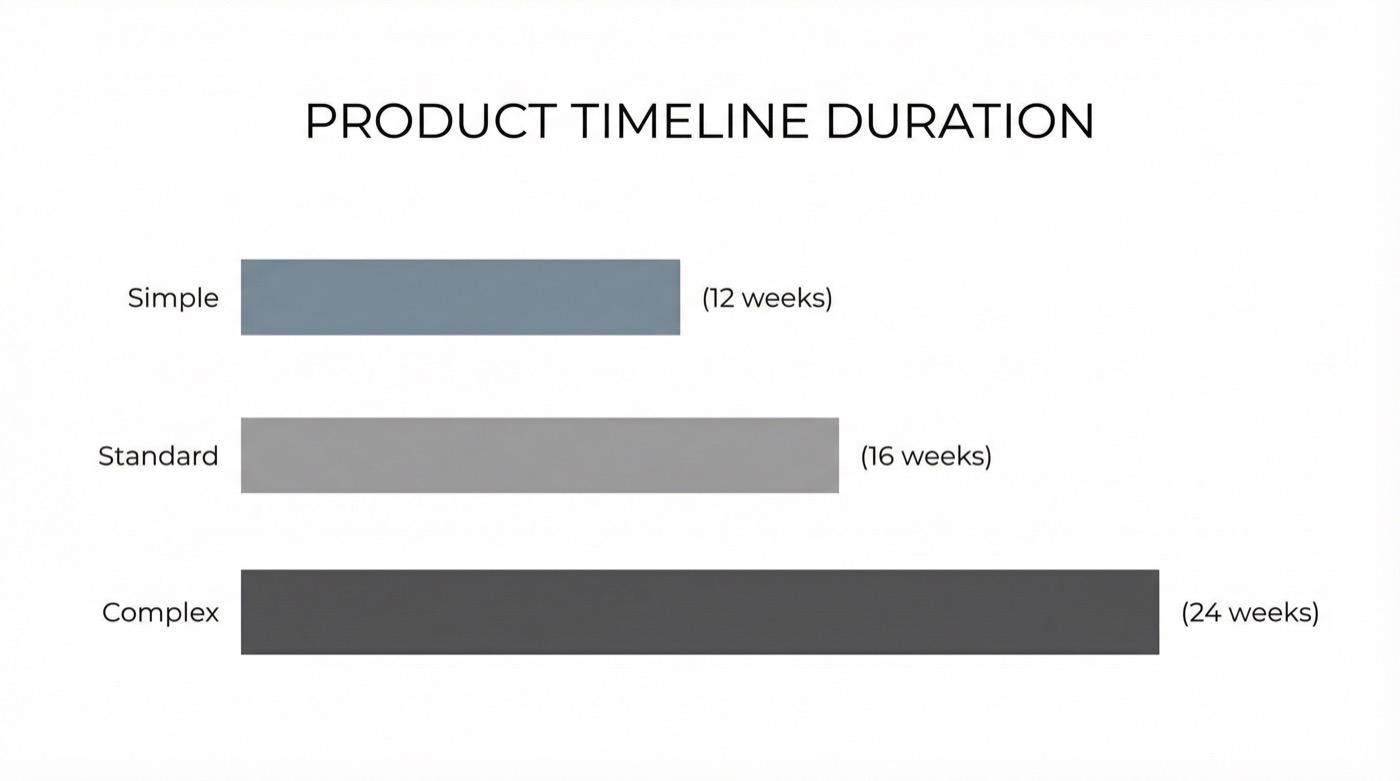
Complex emulsions—creams, lotions, serums with multiple active ingredients—require extended testing. Phase separation, emulsion stability, and active ingredient degradation all need evaluation. Budget 12-16 weeks for comprehensive testing and safety assessment.
Leave-On vs. Rinse-Off Products
Leave-on products (moisturizers, serums, sunscreens) face stricter safety scrutiny because exposure duration is longer. Your CPSR safety assessor must evaluate cumulative exposure and potential sensitization more rigorously. Add 1-2 weeks to your CPSR timeline for leave-on products compared to rinse-off formulations.
Rinse-off products (shampoos, body washes, cleansers) have lower exposure per use but higher frequency. The safety assessment focuses on acute irritation potential and concentration levels during the brief contact period. Testing timelines are similar, but risk assessment is faster.
Products With Special Claims
Any product making efficacy claims—anti-aging, whitening, anti-wrinkle, hair growth—requires substantiation testing beyond basic safety. While not mandatory under EU cosmetics regulation, claims substantiation protects you from misleading advertising allegations under EU Consumer Protection Directive 2005/29/EC.
Claims testing adds 6-12 weeks to your timeline. In vitro tests take 2-4 weeks, while in vivo clinical studies require 4-8 weeks. For guidance on compliant claims substantiation, see our article on EU cosmetic claims requirements.
Common Delays and How to Avoid Them
Most timeline overruns aren't caused by testing duration—they're caused by preventable administrative errors, incomplete documentation, and poor planning. Here's where brands consistently lose time and how to avoid those pitfalls.
Incomplete Formula Documentation
Submitting products for testing without complete raw material specifications causes immediate delays. Labs cannot proceed if ingredient purity data, supplier information, or composition details are missing. This delay is entirely preventable—demand complete technical data sheets from all raw material suppliers before formulation finalization.
Failed Challenge Tests
Challenge test failures require reformulation and retesting, adding 8-12 weeks to your timeline. The primary cause is inadequate preservation systems—either insufficient preservative concentration or poor preservative selection for the product pH and ingredients.
Work with an experienced cosmetic chemist during formulation. Over-preserved products face consumer tolerance issues, while under-preserved products fail challenge tests. For complex systems, consider conducting preliminary challenge testing during formulation development, before committing to full stability and safety testing.
Our guide to preservative efficacy testing explains how to optimize your preservation system before challenge testing.
CPSR Data Gaps
Safety assessors cannot complete your CPSR if toxicological data for ingredients is missing. This is particularly common with novel ingredients, exotic botanicals, or ingredients without CAS numbers. Expect 2-4 week delays while additional safety literature is sourced or testing is conducted.
CPNP Notification Errors
Portal errors during CPNP submission cause frustrating delays. Common mistakes include incorrect INCI ingredient names, mismatched product categories, missing product label translations, and incomplete contact information. These errors require resubmission and can delay market launch by 1-2 weeks.
Have your RP or a regulatory consultant review your CPNP data package before submission. Professional review catches errors before they cause delays and ensures your frame formulation properly protects trade secrets while meeting regulatory transparency requirements.
Post-Launch Compliance: Ongoing Requirements
EU market launch isn't the end of your compliance obligations—it's the beginning of ongoing regulatory responsibilities. Understanding these requirements prevents market surveillance issues and potential product recalls.
Product Information File Maintenance
Your PIF must be maintained and updated for 10 years after the last batch of product is placed on the EU market. This means if you discontinue a product, you still need to keep records for a decade. The PIF must be immediately available to national authorities upon request—"available" means accessible within 72 hours, not months.
Updates to your PIF are required whenever formulation changes occur, new safety information emerges about ingredients, or manufacturing locations change. Minor formula modifications don't require CPNP renotification, but your PIF must reflect the current product composition.
Real-Time Stability Monitoring
While accelerated stability data supports market launch, ongoing real-time stability studies verify your product's actual shelf life. These studies run continuously at normal storage conditions and should cover at least one production batch per year. If real-time studies reveal stability issues, you must update your shelf life claims and potentially reformulate.
For detailed protocols on stability study design, see our comprehensive stability testing guide.
Batch Testing and GMP Compliance
Every production batch must undergo microbiological testing before release to market. Total viable count, yeast and mold screening, and pathogen testing are mandatory for products with water phases. Batch testing typically takes 5-7 days and should be factored into your inventory planning and order fulfillment timelines.
GMP compliance is continuous, not a one-time certification. Annual audits, personnel training, procedure updates, and quality system maintenance are ongoing requirements. Budget for annual GMP compliance costs of €2,000 to €10,000 depending on manufacturing scale and complexity.
Real-World Timeline Example
Consider a typical scenario: A skincare brand in the United States wants to launch a facial serum in Germany, France, and Italy. The product is a complex emulsion with three active ingredients (niacinamide, hyaluronic acid, peptides) and a sophisticated preservation system. Here's how their timeline unfolded.
Week 0-2: Pre-Testing Preparation
The brand finalized their formula and collected all raw material specifications. They appointed an EU Responsible Person in Germany who reviewed their manufacturing documentation and confirmed GMP compliance. The RP identified a labeling issue—the PAO (period after opening) symbol needed adjustment based on their preservation system.
Week 2-10: Testing Phase
Stability testing and challenge testing began simultaneously in week 2. Accelerated stability ran for 8 weeks at 40°C/75% RH. Challenge testing took 28 days. During testing, the brand worked with their RP to compile Part A of the PIF—manufacturing records, quality control procedures, and ingredient safety data.
Week 10-12: CPSR Preparation
Test results arrived in week 10. The stability data showed acceptable results, though slight color darkening was noted (common for niacinamide formulations). The challenge test passed with adequate preservative efficacy. The safety assessor completed the CPSR in 2 weeks, concluding the product was safe for intended use.
Week 12-13: CPNP Notification
With the CPSR complete, the RP submitted CPNP notifications for Germany, France, and Italy. Product names were translated, labels were reviewed for each market's language requirements, and frame formulations were prepared. Portal submission took 3 days including data verification.
Week 13: Market Launch
Total timeline: 13 weeks from start to launch-ready. The brand avoided common delays by having complete documentation upfront, running tests in parallel, and involving their RP early. Their investment in professional services saved approximately 4-6 weeks compared to brands attempting DIY compliance.
What's Changing in 2026-2027
The EU cosmetic regulatory landscape is evolving with several significant changes taking effect in 2026 and beyond. Understanding these developments helps you plan for compliance adjustments and market strategy.
CMR Substance Restrictions (May 2026)
Commission Regulation (EU) 2026/78 introduces new restrictions on carcinogenic, mutagenic, and reprotoxic (CMR) substances in cosmetic products, effective May 1, 2026. Fifteen substances are banned or restricted, requiring reformulation for affected products. Brands must clear non-compliant inventory before the deadline—no grace period exists for existing stock.
Microplastics Phase-Out (2027-2029)
EU microplastics regulations require reformulation of rinse-off products by October 2027 and leave-on products by October 2029. This affects products containing intentionally added microplastics, defined as synthetic polymer particles under 5mm. Common ingredients impacted include certain acrylate polymers, nylon powder, and polyethylene beads.
If your current formulations contain these materials, start reformulation now. Testing and qualification of alternative ingredients takes 6-12 months, and you'll need updated stability data and CPSRs before the deadlines.
Enhanced Digital Labeling (2027)
Industry observers note potential requirements for digital product information accessibility, including QR codes linking to full ingredient disclosure and safety data. While not yet mandatory, several EU member states are piloting digital labeling initiatives. Brands launching in 2026 should design packaging with space for future QR code integration.
Increased Safety Assessment Scrutiny
The European Commission's Scientific Committee on Consumer Safety (SCCS) is reviewing safety thresholds for several common ingredients, including certain preservatives, fragrances, and UV filters. While specific outcomes aren't finalized, regulatory advisors recommend conservative exposure calculations and robust safety margins in current CPSRs to avoid reassessment requirements.
Your Implementation Timeline
You now understand the complete timeline from cosmetic testing to EU market launch. Here's your actionable roadmap for moving forward, organized by urgency and sequence.
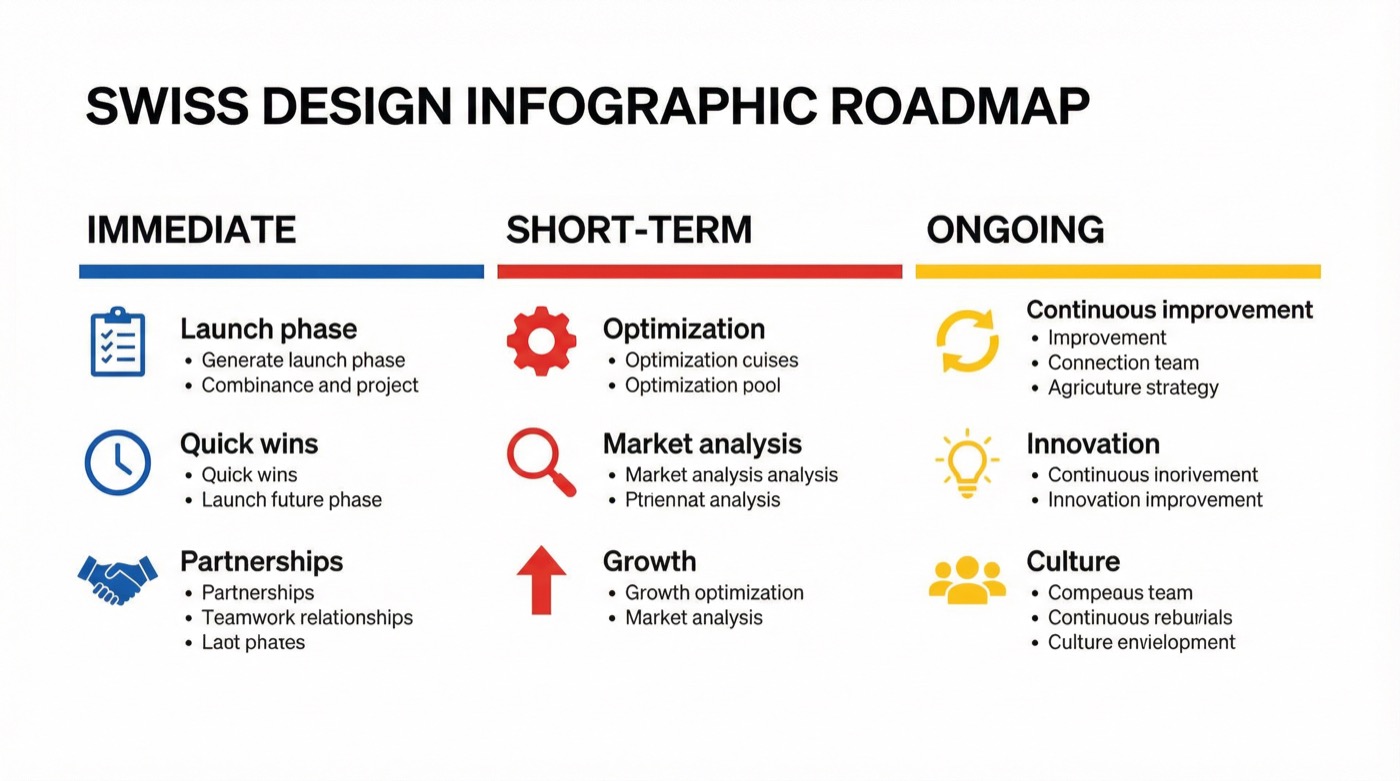
Today: Immediate Actions
- Finalize your product formulation and lock all ingredient concentrations—changes after this point reset your timeline
- Collect complete technical data sheets for every raw material from suppliers
- Research and shortlist potential EU Responsible Person service providers
- Assess your current product against 2026 regulatory changes to identify potential reformulation needs
This Week: Short-Term Steps
- Appoint your EU Responsible Person and initiate the service agreement
- Submit product samples to testing laboratories for stability and challenge testing
- Begin PIF compilation with manufacturing documentation and quality control procedures
- Review and finalize packaging specifications to ensure compatibility with stability testing
- If your product contains ingredients affected by 2026 restrictions, initiate reformulation planning
This Month: Medium-Term Goals
- Monitor testing progress and maintain communication with laboratory contacts
- Engage a qualified safety assessor to begin CPSR Part A preparation
- Prepare CPNP notification data package including translated product names and frame formulations
- Finalize label artwork ensuring compliance with EU labeling requirements in all target markets
- Establish batch testing protocols for post-launch microbiological quality control
Ongoing: Maintenance Requirements
- Maintain PIF updates as formulations, manufacturing processes, or safety information changes
- Conduct real-time stability studies on annual production batches
- Monitor EU regulatory updates for new ingredient restrictions or safety requirements
- Perform batch release testing on every production run before market distribution
- Review and update your CPSR if new toxicological data emerges for any ingredients
- Stay informed about market surveillance activities in your target EU member states
If you need expert guidance navigating EU cosmetic compliance, explore our regulatory services or contact our team for a consultation on your specific timeline and requirements.
Frequently Asked Questions
Related Resources
- Complete Guide to CPSR Requirements - In-depth overview of safety assessment documentation
- Cosmetic Stability Testing Protocols - Detailed testing methodologies and timelines
- Microbiological Testing for Cosmetics - Challenge test procedures and pass criteria
- EU Ingredient Compliance Guide - Annexes reference and restricted substances
- CPNP Registration Step-by-Step - Portal navigation and notification process
Updated for 2026 regulatory requirements and market conditions.